How to Balance School and Personal Life
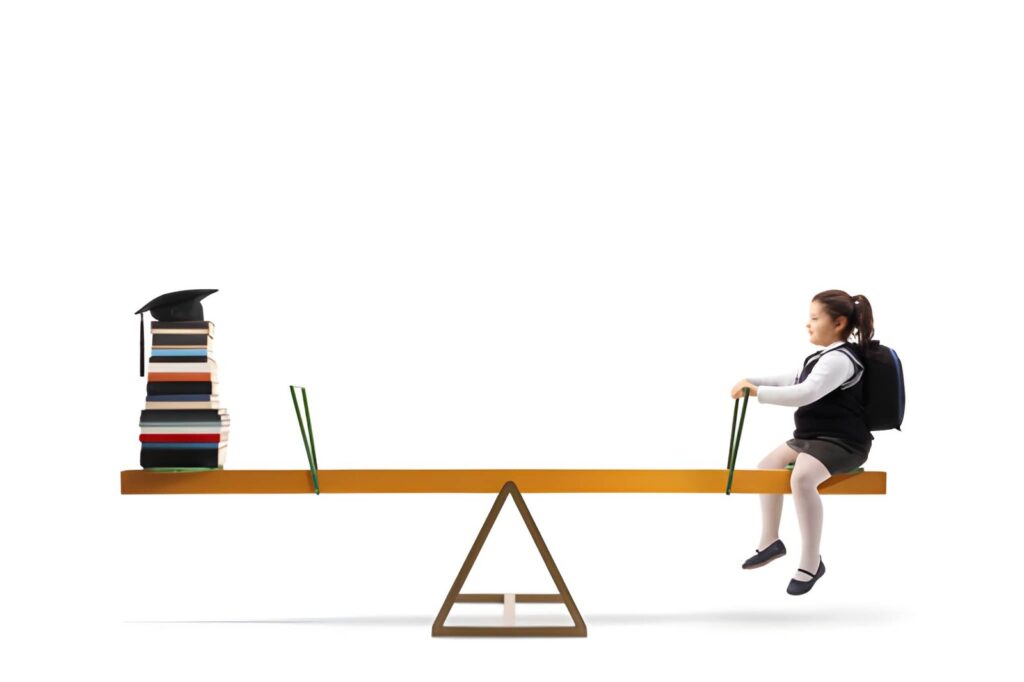
Balancing school and personal Hubet.bar life can feel challenging, especially when assignments, exams, extracurricular activities, family responsibilities, friendships, and self-care all compete for your time. Many students feel pressure to perform well academically while still enjoying their personal lives. The good news is that balance is possible with the right habits, realistic planning, and a healthy mindset.
In this article, you will learn practical strategies for managing your time, reducing stress, staying organized, and creating a healthier school-life balance.
Why School-Life Balance Matters
Maintaining a balance between school and personal life is important for both academic success and overall well-being. When students focus only on school, they may experience burnout, stress, lack of sleep, and reduced motivation. On the other hand, ignoring school responsibilities can lead to poor grades, missed deadlines, and unnecessary anxiety.
A healthy balance helps you stay productive, focused, and emotionally stable. It also allows you to build meaningful relationships, enjoy hobbies, and take care of your physical and mental health. School is important, but your personal life matters too.
Create a Realistic Schedule
One of the best ways to balance school and personal life is to create a realistic schedule. A schedule helps you see how much time you have and how you are using it. Start by listing your fixed commitments, such as classes, work, sports, clubs, or family duties. Then add study time, homework sessions, meals, exercise, and relaxation.
Avoid creating a schedule that is too strict or packed. If every hour is filled, you may feel stressed when something unexpected happens. Instead, leave some free time between tasks. This gives you flexibility and helps prevent frustration.
Using a planner, calendar app, or simple notebook can make a big difference. When you write things down, you are less likely to forget assignments or appointments.
Prioritize Your Tasks
Not every task has the same level of importance. Learning how to prioritize can help you manage schoolwork and personal time more effectively. Each day, make a list of what needs to be done. Then identify which tasks are urgent, important, or less important.
For example, studying for tomorrow’s exam is more urgent than organizing your desk. Completing a major project due this week should come before watching a TV show. By focusing on high-priority tasks first, you reduce last-minute stress and free up more personal time later.
A helpful method is the “top three” rule. Choose the three most important tasks for the day and complete them before moving on to smaller tasks.
Avoid Procrastination
Procrastination is one of the biggest obstacles to school-life balance. When you delay assignments or studying, tasks pile up and become overwhelming. This often leads to late nights, stress, and less time for personal activities.
To avoid procrastination, break large tasks into smaller steps. Instead of saying, “I need to write an essay,” divide it into parts such as choosing a topic, creating an outline, writing the introduction, and editing the final draft. Smaller tasks feel easier to start and complete.
You can also use the Pomodoro Technique. Study for 25 minutes, then take a 5-minute break. After four study sessions, take a longer break. This method improves focus and makes studying feel more manageable.
Set Boundaries
Setting boundaries is essential when trying to balance school and personal life. This means knowing when to study, when to rest, and when to say no. If friends invite you out the night before an important exam, it may be better to decline or suggest another time.
Boundaries also apply to technology. Social media, games, and streaming platforms can easily take up hours of your day. Try setting limits on screen time, especially during study periods. Turn off notifications or place your phone in another room when working on school assignments.
Healthy boundaries help you protect your time and energy.
Make Time for Self-Care
Self-care is not a waste of time. It is necessary for staying healthy, focused, and motivated. Students often sacrifice sleep, exercise, and relaxation when school becomes busy. However, ignoring self-care can make it harder to concentrate and perform well.
Make sure you get enough sleep each night. Most students need around 7 to 9 hours of sleep to function well. Eating nutritious meals, drinking enough water, and moving your body regularly can also improve your mood and energy levels.
Self-care can include simple activities such as reading, listening to music, walking, journaling, meditating, or spending time with loved ones. Even short breaks can refresh your mind.
Learn to Manage Stress
Stress is a normal part of student life, but too much stress can affect your health and academic performance. Learning stress management techniques can help you stay calm and balanced.
Deep breathing, mindfulness, stretching, and exercise are effective ways to reduce stress. Talking to someone you trust, such as a friend, parent, teacher, or counselor, can also help. Sometimes sharing your worries makes them feel easier to handle.
If you feel constantly overwhelmed, do not ignore it. Asking for help is a sign of strength, not weakness.
Stay Organized
Organization plays a major role in balancing school and personal life. When your notes, assignments, and deadlines are organized, you waste less time searching for things or trying to remember what to do next.
Keep your study area clean and free from distractions. Use folders, digital tools, or binders to organize school materials. Review your deadlines at the start of each week so you know what is coming.
Good organization helps you feel more in control and reduces daily stress.
Maintain a Social Life
A balanced life includes connection with others. Spending time with friends and family can improve your mood and provide emotional support. However, it is important to manage your social life wisely.
Plan social activities around your school responsibilities. For example, finish your homework before going out, or study with a friend if you both stay focused. Quality matters more than quantity. Even a short conversation, lunch with a friend, or family dinner can help you feel connected.
Be Flexible and Forgive Yourself
No schedule or plan will be perfect all the time. Some weeks will be busier than others. You may miss a workout, forget a task, or need extra time to finish an assignment. That does not mean you have failed.
The key is to adjust and keep going. Review what went wrong and make a better plan for next time. Being flexible allows you to handle changes without becoming too stressed.
Conclusion
Learning how to balance school and personal life takes practice, patience, and self-awareness. By creating a realistic schedule, prioritizing tasks, avoiding procrastination, setting boundaries, and making time for self-care, you can manage your responsibilities without sacrificing your well-being.
A healthy school-life balance does not mean doing everything perfectly. It means making Nổ Hũ Hubet thoughtful choices with your time and energy. When you take care of both your academic goals and your personal needs, you can become more successful, confident, and happy.